Showing posts with label Mofad. Show all posts

Wednesday, September 20, 2023

šŸŒ®šŸ®šŸŒ½ Celebrate Hispanic Heritage Month with MOFAD

info@mofad.org
Celebrating National Hispanic & Latinx Heritage Month
 

This month, MOFAD is celebrating the contributions and influence of Hispanic and Latinx Americans to the history, culture, and, most importantly in our opinion, the food and drink of the United States.


From September 15 to October 15, the United States celebrates National Hispanic Heritage Month, which honors the cultures and contributions of both Hispanic and Latinx Americans past and present. A rather broad term, Hispanic and Latinx heritage encompasses all American citizens whose ancestors came from Spain, Mexico, the Caribbean, and Central and South America. According to The Library of Congress, the observation started in 1968 as Hispanic Heritage Week under President Lyndon Johnson and was expanded by President Ronald Reagan in 1988 to cover a 30-day period starting on September 15 and ending on October 15. It was enacted into law on August 17, 1988, on the approval of Public Law 100-402.


"The day of September 15 is significant because it is the anniversary of independence for Latin American countries Costa Rica, El Salvador, Guatemala, Honduras and Nicaragua. In addition, Mexico and Chile celebrate their independence days on September 16 and September 18, respectively."


Join us in celebration this Hispanic and Latinx Heritage Month by watching one of our past programs featuring Hispanic and Latinx chefs and food experts, explore one of our MOFAD x Eater digital city guides, and read one of our favorite articles on Latinx cuisine and culture.


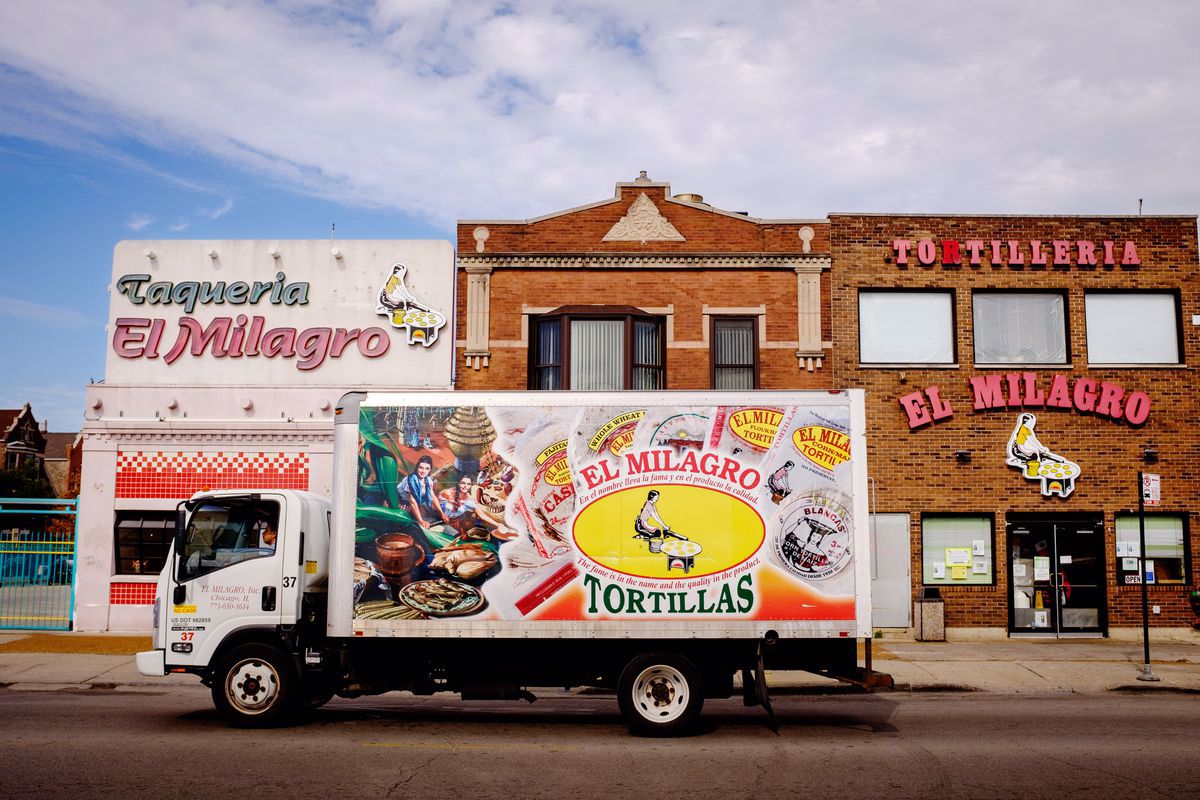
PHOTOGRAPH: Outside El Milagro on 26th Street in Pilsen. Photo by Christopher Dilts for MOFAD x Eater City Guides.

info@mofad.org


MOFAD City is a multimedia collaboration between Eater and the Museum of Food and Drink (MOFAD) that tells the stories of food cultures in neighborhoods around the country. The project's goal is to promote appreciation of immigrant food traditions and to inspire thoughtful discussion around the meaning of American cuisine.


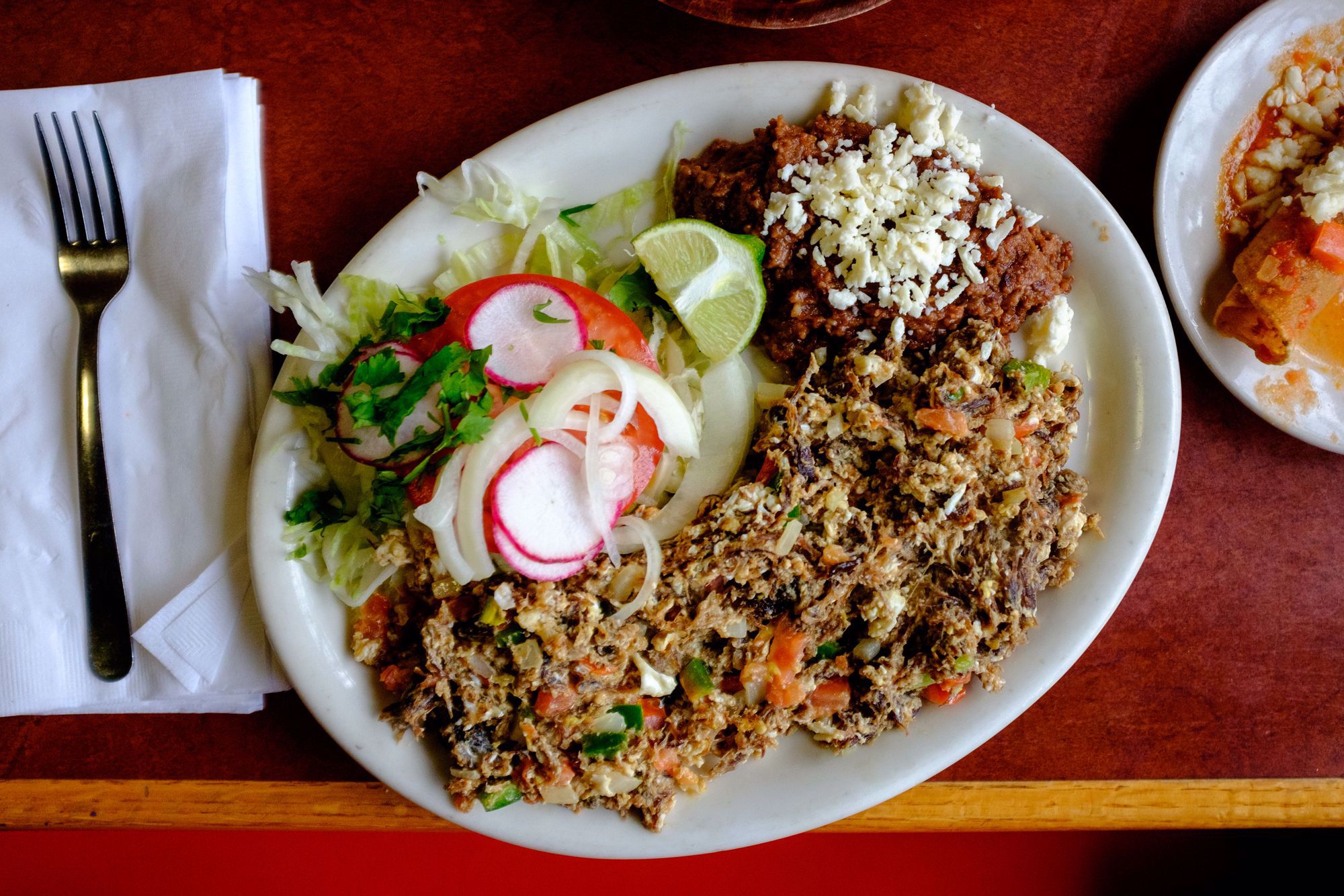
More than a thousand miles from the border, Chicago has more Mexican immigrants than any U.S. city other than Los Angeles. Migrants from across Mexico have brought their culture, traditions, and renowned cuisine to the community established in the neighborhoods of Pilsen and Little Village, on Chicago's South Side. This is a guide to some of the restaurants and shops carrying on the food traditions of the states of Jalisco, Nuevo Leon, Morelos, Michoacan, and San Luis Potosi — from tangy mole sauce and spicy menudo soup torefreshing mangonadas and home-style tamales.


Watch the video, read the history, listen to the voices of local business owners, and plan your visit to Pilsen and Little Village, a vibrant center of Mexican culture in the heart of Chicago.

MORE MOFAD PROGRAMS CELEBRATING LATINX HERITAGE
info@mofad.org
 

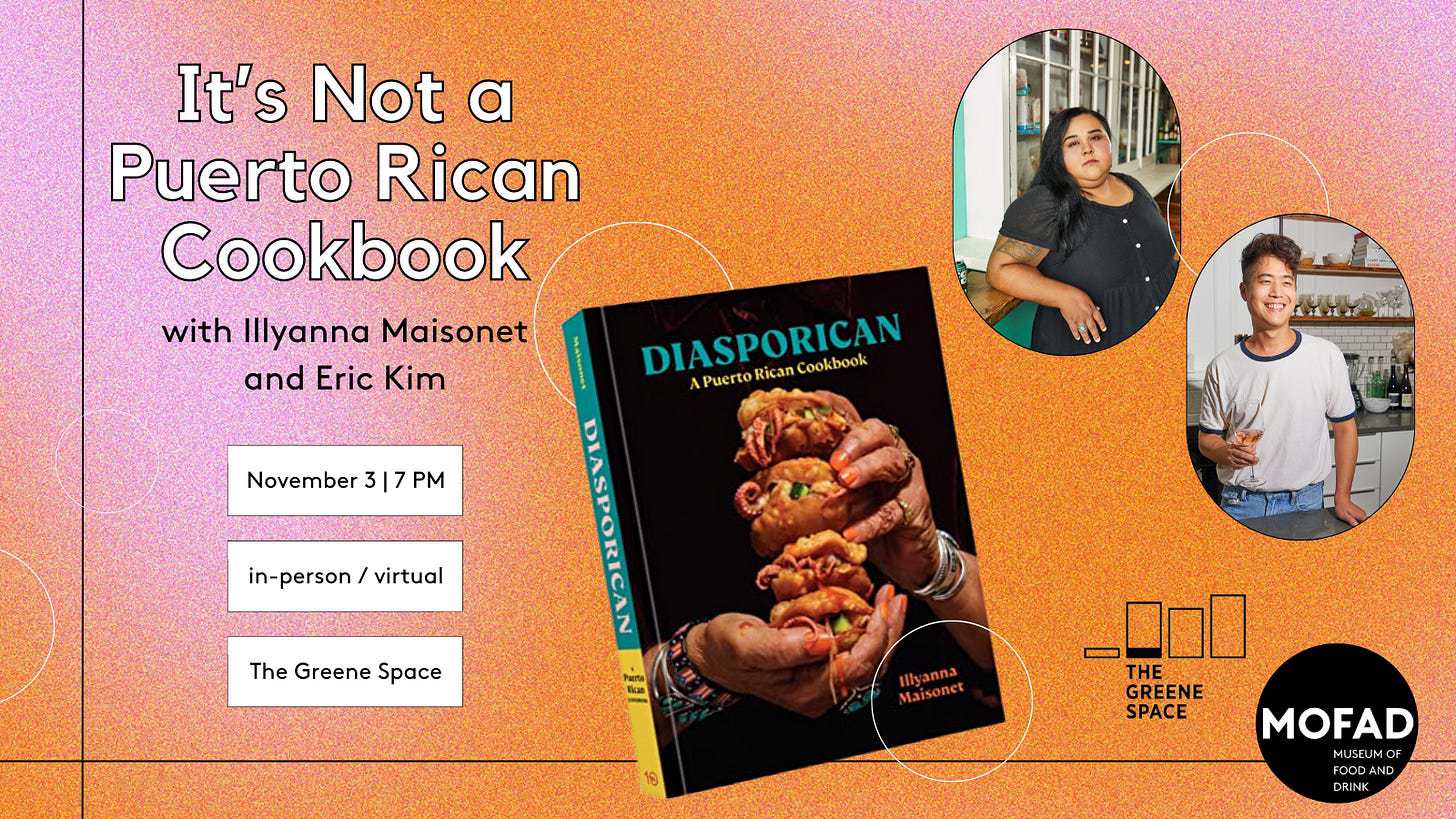
What can you expect to see in a cookbook from the country's first Puerto Rican food columnist? Not just Puerto Rican food. In Diasporican: A Puerto Rican Cookbook Illyanna Maisonet writes, "This book is for the Diasporicans— the 5.5 million people living Stateside who continue to cook the food of our homeland. This is for the tribe of Ni De AquĆ­, Ni De AllĆ” ("not from here, not from there.")

info@mofad.org
 

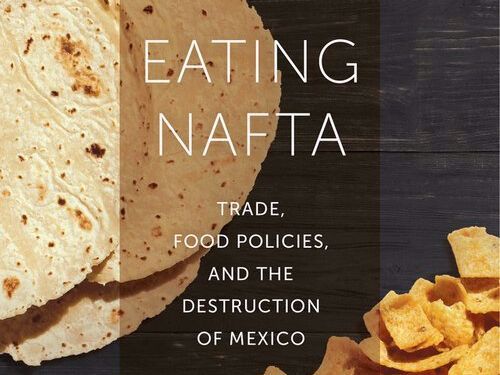
While NAFTA has provided Americans with nearly unlimited access to ingredients like avocados grown south of the border, the rise in accessibility coincides with a growing scarcity of the very same foods for people in Mexico.


Alyshia GĆ”lvez, author of Eating Nafta is joined by Irwin Sanchez, founder of Tlaxcal Kitchen; Dr. Miriam Bertran, coordinator of the food and culture program at Metropolitan University in Xochimilco, Mexico; Teresa Mares, author of "Life on the Other Border: Farmworkers and Food Justice in Vermont;" and Paloma Martinez-Cruz, associate professor of Latinx Cultural Studies at The Ohio State University, and author of "Food Fight! Millennial Mestizaje Meets the Culinary Marketplace."

info@mofad.org
 

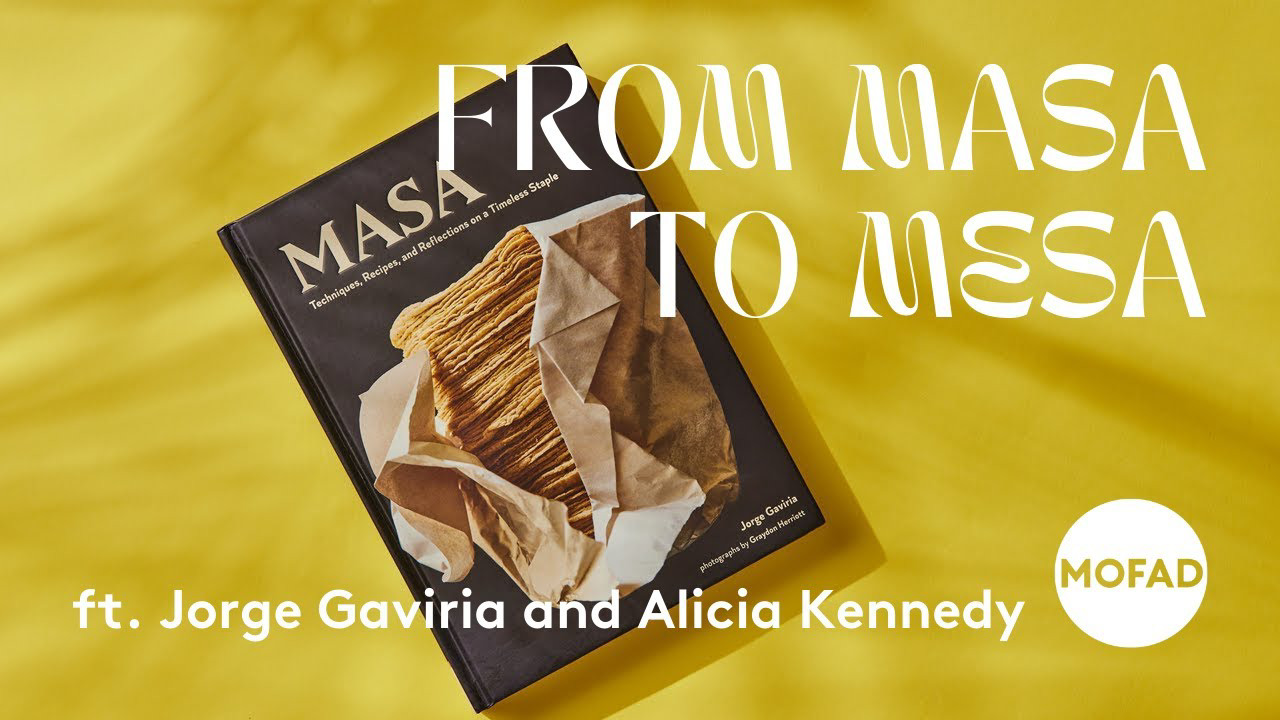
Join food writer Alicia Kennedy in conversation with Jorge Gaviria, founder of Masienda and author of the new book MASA: Techniques, Recipes, and Reflections on a Timeless Staple, for a virtual discussion about masa — the dough made of stone-ground nixtamalized corn that is the foundation of Mesoamerican cuisine. The conversation will touch on masa's ability to transcend borders and connect cultures, and also explore notions of who certain foods or cuisines are for, and who gets to cook, eat, and express opinions around them.

Find more programs on our YouTube channel!
What We're Consuming
- Latinx Heritage edition -
After Japanese laborers emigrated to Mexico in the nineteenth century, a culinary merger eventually resulted in nori stuffed with carne asada. Learn more about Mexican Sushi from JosĆ© R. Ralat for  Texas Monthly. 
 
A food anthropologist looks back at a middle school program that helped her students celebrate the wide range of tamales across the Latinx food diaspora. Unpack the role of the tamaleando with Keitlyn AlcĆ”ntara for  Bitter Southerner. 


Plant profile: Ilex paraguariensis, aka Yerba Mate. Learn more about the ecological and cultural implications of South America's indigenous caffeinated plant.  


A restaurant in Brooklyn embraces its roots with an annual chile roast. Read all about it from Andrea Aliseda for Harpers Bazaar.


Try cooking up iconic Latino food dishes featuring diverse ingredients and cooking techniques that have influenced the United States' food culture for many years with this collection of recipes from the Smithsonian National Museum of the American Latino. 
info@mofad.org
info@mofad.org
info@mofad.org
info@mofad.org
info@mofad.org
View this email in your browser
You are receiving this email because of your relationship with Museum of Food and Drink. Please reconfirm your interest in receiving emails from us. If you do not wish to receive any more emails, you can unsubscribe here.

950 Fulton Street, PO Box 380857, Brooklyn, NY, 11238


Tuesday, April 18, 2023

šŸ…Museum Of Food And Drink presents CUCINA POVERA šŸž The Art of Making Do With What You’ve Got

info@mofad.org
FEATURED PROGRAM
Cucina Povera: The Art of Making Do with What You've Got
 
Friday, April 21
12pm ET ONLINE
 

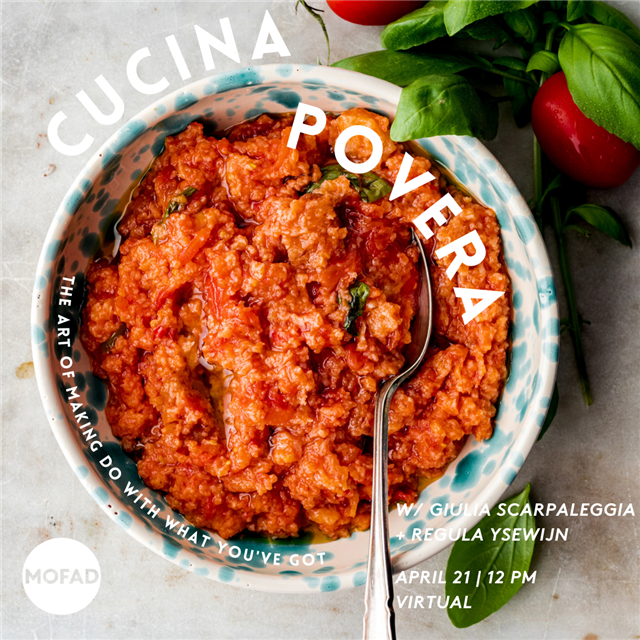
The Italians call it l'arte dell'arrangiarsi—the art of making do with what you've got. They've been cooking this way for centuries, a unique approach to ingredients and techniques known as cucina povera, or peasant cooking, that results in the highest expression of what Italian food is all about—transforming simple components into unforgettably delicious and satisfying meals. It's also a way of cooking that, with some notable exceptions like minestrone, ribollita, and pasta e fagioli, is not well known outside of Italy. Author Giulia Scarpaleggia is determined to change that. Join MOFAD for a virtual lunch hour on Friday, April 21 with Cucina Povera author Giulia Scarpaleggia and internationally acclaimed food writer Regula Ysewijn. They'll be discussing the ingenious culinary traditions of Giulia's culture and the resourcefulness of the strong Italian women who came before her.Giulia will be leading a demo of her recipe for Pappa al Pomodoro (tomato and bread soup), her ultimate comfort food, and a very representative dish of the principles of cucina povera. 


Join MOFAD for a virtual lunch hour on Friday, April 21 with Cucina Povera author Giulia Scarpaleggia and internationally acclaimed food writer Regula Ysewijn. They'll be discussing the ingenious culinary traditions of Giulia's culture and the resourcefulness of the strong Italian women who came before her.


Giulia will be leading a demo of her recipe for Pappa al Pomodoro (tomato and bread soup), her ultimate comfort food, and a very representative dish of the principles of cucina povera.

UPCOMING PROGRAMS
Urban Ecosystems: Living Among the Plants, Animals, and Fungi of NYC
Thursday,  April 20
6:30-7:30pm ET
in-person at the Museum of the City of New York
info@mofad.org

Alongside New York City's diverse population of humans, bustling communities of plants, animals, and fungi have co-evolved within an ever expanding urban landscape. The island of Manhattan is a vibrant oasis for thousands of species, including many endangered wild native plants, foraged foods, and cultivated crop varieties that carry with them the stories of our rich cultural heritage as New Yorkers. Often hidden in plain sight, the vast network of biodiversity that lives between buildings and among urban green spaces is also critical to safeguarding our future food security.


Hosted by MCNY curator and food justice activist Monxo Lopez, we'll hear stories from Yemi Amu, founder and director of Oko Urban Farms; Sigrid Jakob, president of the New York Mycological Society; Candace Thompson, manager of Solar 1's Stuy Cove Park; William Mullan, an artist and apple forager and photographer; Iakowi:he'ne' Oakes, founder and executive director of the North American Indigenous Center of New York; and botanist and biodiversity activist, Marielle Anzelone.


Culinary Historians of New York 2023 Scholars' Grants
Funding by Julia Child Foundation for Gastronomy and Culinary Arts 
Application Deadline: May 5, 2023
info@mofad.org

Culinary Historians of New York invites submissions for the 2023 CHNY Scholars' Grant in support of research and scholarship in the field of culinary history. Since 2012, the CHNY Scholar's Grant has been recognized by the Julia Child Foundation with generous financial support. CHNY will award three grants in the amounts of $3,500, $2,500, and $1,500. The grants are open to all individuals age 18 and older. The awards will be announced in August.

The CHNY Scholars' Grant promotes research and scholarship in the field of culinary history and is awarded annually to individuals seeking financial support for a current, well-developed project that will culminate in a book, article, paper, film, or other scholarly endeavor, including ephemera. The grants are unrestricted and can be used to defray research expenses, attend conferences, or engage in other activities directly related to the applicant's project. Applicant should include a statement of how the funds will be used to advance the project. 


Further details and application requirements and forms can be found on the CHNY website.

What We're Consuming
For Salon, writer Joy Saha investigates why fast food brands—including Pizza Hut, KFC, and McDonald's—are obsessed with bucket hat merch.


After years of drought and dozens of recent atmospheric rivers, Central California farmers have revamped an old practice: intentionally flooding fields for deep irrigation and restoration of underground aquifers. Read more of writer Grey Moran's research on this new-again practice over at Civil Eats


For  Eater, writer Bettina Makalintal asks "Can Cookbooks Teach Us to Waste Less Food?" and shares two new titles that aim to teach us how to shift our lifestyle. 


In honor of Herbalist Day and all the ways herbalism has contributed to our shared foodways, we're listening to "Little Medicine Thing," an oral history conducted by East Carolina University with Emma Dupree, an influential African-American folk herbalist from Pitt County, North Carolina.
 
In anticipation of Eid al-Fitr at the end of the week, we're lining up our dinner menu and starting with these great recipes from the Washington Postespecially the carrot halwa!  
info@mofad.org
info@mofad.org
info@mofad.org
info@mofad.org
info@mofad.org
View this email in your browser
You are receiving this email because of your relationship with Museum of Food and Drink. Please reconfirm your interest in receiving emails from us. 

950 Fulton Street, PO Box 380857, Brooklyn, NY, 11238